Claude, Investigation Summary.
Uses Claude's investigation-summary skill to show why a privileged investigation gets a different summary drawn for each audience, and why no single version is a safe stand-in for another.
Claude has a skill called investigation-summary, and it's natural to assume it writes one clean summary of what happened for anyone who asks. It doesn't, and it can't. The investigation is privileged, and not every reader is entitled to the same amount of it. Sending the version written for outside counsel to the general workforce would hand over the very analysis privilege exists to protect.
What the skill actually is
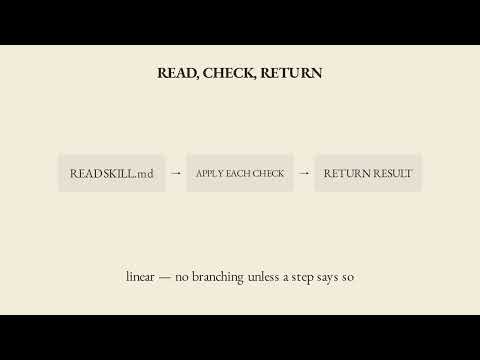
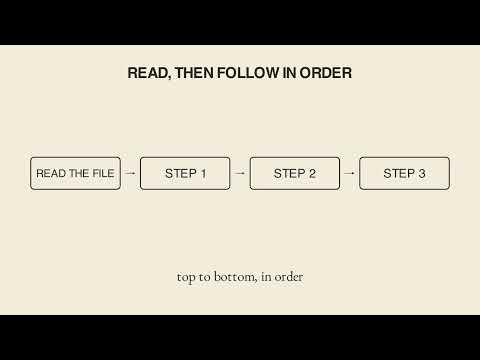
Investigation-summary is a folder holding a single SKILL.md with instructions, in plain language, for drafting an audience-specific summary from one underlying privileged record. Claude reads that file top to bottom and follows it step by step: read the investigation record, draft to the audience it's given, return that one output. No branching happens unless the file itself says to branch.
Specification, not judgment about privilege
This makes the skill a specification, not judgment about what privilege actually protects. The payoff is that the same audience reliably gets the same shape of summary every run. The limit is that a reader the file never anticipated gets no guidance on where the line should sit. Investigation-summary never writes "the summary" of an investigation, as though one canonical version exists. It writes one summary, once, per audience, each drawn from the same underlying privileged record but shaped differently depending on who's receiving it.
Why one document can't serve two audiences
The file, not the reader, decides where the line falls for a given audience. That's a deliberate design, because a summary appropriate for outside counsel, who may be entitled to legal analysis and strategy, is not appropriate for the general workforce, who typically aren't. Treating any single summary as a universal, safe-to-share document defeats the purpose of drawing audience-specific lines in the first place.
What the output does and doesn't prove
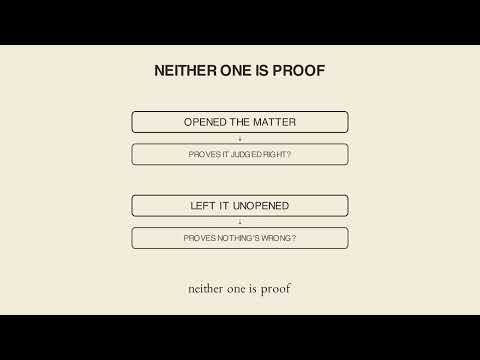
A summary that reads as plain fact doesn't prove privileged material was actually stripped out; there may simply have been little to redact for that particular matter. A summary that withholds a substantial amount doesn't prove the boundary was drawn correctly either; it may have cut more, or less, than that audience was actually owed. Neither outcome is proof of a properly drawn line, because judging where privilege should end for a given reader is a legal determination the file's structure supports but doesn't make on its own.
Trying it yourself
Pick one document from work you need to share with two different audiences. Ask Claude to write a SKILL.md that defines what each audience should and shouldn't see from it, then have it read the file back to you and walk through exactly what it will do before doing it. Running this against a real document you actually share differently makes the audience-specific logic concrete.
Key takeaways
- Claude's investigation-summary skill drafts a different summary for each audience from one underlying privileged record.
- Sending one audience's version to a different audience can expose analysis privilege was meant to protect.
- The skill follows a fixed process, reading the record and drafting to the specified audience, with no independent privilege judgment.
- The same audience gets the same shape of summary every run, but an unanticipated reader gets no built-in guidance.
- A plain-fact summary or a heavily redacted one is not proof, on its own, that the privilege line was drawn correctly.
Who this is for
In-house counsel and compliance teams managing privileged investigation records across multiple audiences, and anyone who wants to understand why a single summary is never a safe substitute for a version drafted for a different reader.
Full transcript(auto-generated, with timestamps)
[0:00]You guess a skill called investigation summary, writes one summary for everyone. It doesn't, it changes per audience. Let's see what should actually change. Here Claude has an investigation summary skill, and it sounds like one clean write-up of what happened, the same document handed to whoever asks for it. But the investigation is privileged, and not every reader is entitled to the same amount of it. Send the version written for outside counsel to the workforce, and you'd hand over the very analysis the privilege exists to protect. Here's what the skill actually is, one file. Investigation summary is a folder holding a single skill. MD instructions for drafting an
[0:38]Audience-specific summary from one underlying privileged investigation, written in plain language Claude reads before it starts. Claude reads that file top to bottom and works through it step-by-step. Read the investigation record, draft to the audience it's given, return that one output, no branching unless the file itself says branch. That makes it a specification, not judgment about privilege. The payoff, the same audience gets the same shape of summary every run. The limit, a reader the file never anticipated gets no guidance on where the line should sit. So investigation summary never writes the summary of an investigation. It writes one summary once per audience, drawn from the same privileged record
[1:18]Each time. The file, not the reader, decides where the line falls. A summary that reads as plain fact doesn't prove privileged material was stripped out. It might just be a case with little to redact. And a summary that withholds a lot doesn't prove the boundary was drawn right. It might have cut more or less than that audience was owed. Investigation summary never hands out one summary of an investigation. It draws a different line for each audience from the same privileged record, so what one reader sees is never a safe stand-in for what another gets. Your turn. Paste this into Claude. Pick one document from work I need to share with two different
[1:54]Audiences. Write me a skill MD that defines what each audience should and shouldn't see from it. Then read it back to me and walk me through exactly what you'll do before you do it. Claude investigation summary lay him in forbear.