Claude, IP Clause Review.
Explains the license-versus-assignment distinction Claude's ip-clause-review skill checks for, and why the skill runs a fixed checklist rather than judging clause quality.
A contract clause can read like it hands over ownership of intellectual property and still leave the work with whoever created it. That gap is exactly what Claude's ip-clause-review skill is built to catch, and understanding the underlying legal distinction is the key to understanding what the skill actually checks.
The distinction that matters
A clause that only grants a license doesn't move ownership at all, no matter how it's worded. Only a clause that assigns the IP outright, transferring all right, title, and interest, actually hands ownership over. This single distinction is the reason IP clause review is a task worth having a dedicated check for: license language and assignment language can look similar to someone skimming a contract, but they produce entirely different legal outcomes.
How the skill works
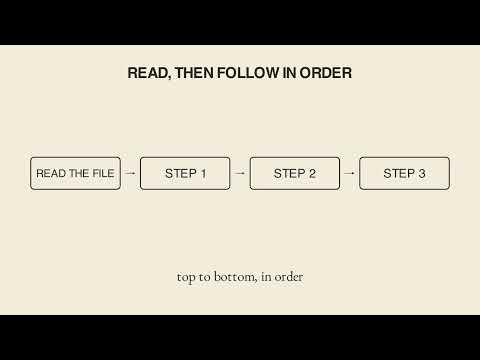
A Claude Skill is a folder Claude reads before it acts, one file, SKILL.md, holding the whole instruction set in plain language, with no hidden logic underneath. Claude reads the file, then works through its steps in order: read the clause, apply each check, return the result. The process is linear, with no branching unless a step specifically says otherwise.
A check, not a judgment call
Claude isn't deciding whether an IP clause is well drafted or favorable in some general sense. It's checking, one item at a time, whether the clause actually assigns the IP instead of merely licensing it. That's a narrower and more mechanical task than "review this contract," and it's worth being precise about the difference: the skill applies a specific test to specific language, it doesn't render an overall opinion on the deal.
Why this specific check earns its own skill
License-versus-assignment is a distinction easy to miss on a quick read, because a clause granting rights can be written in language that sounds expansive without ever using assignment terms. A skill built around this one check gives a consistent, repeatable way to catch that gap every time a clause is reviewed, rather than relying on catching it by eye.
Trying it yourself
A direct way to see this in action is to paste an actual IP clause from a contract you're reviewing into Claude, ask it to read the ip-clause-review skill, and, before it tells you anything is wrong with the clause, have it walk through exactly what it's checking for. Watching that explanation come first makes clear the skill is applying a defined check, not offering a general impression.
Key takeaways
- A clause that only grants a license does not transfer IP ownership, regardless of how expansive the language sounds.
- Only language that assigns all right, title, and interest actually hands ownership over.
- Claude's ip-clause-review skill runs a fixed, linear checklist from one plain-language SKILL.md file.
- The skill checks whether a clause assigns IP; it does not judge whether the clause or the deal is good overall.
- Asking Claude to state what it's checking for before delivering a verdict shows the mechanism is a defined check, not a general opinion.
Who this is for
Founders, in-house counsel, and anyone reviewing contracts who wants a reliable way to catch the difference between a license and an actual IP assignment before signing.
Full transcript(auto-generated, with timestamps)
[0:00]Someone asked whether Claude decides on its own whether an IP clause is any good. It doesn't decide, it checks a list. So, when Claude reviews an IP clause, is it checking a list? A skill is a folder Claude reads before it acts. This one is called IP clause review. It's one file skill. md holds the whole instruction set, what to look for in an IP clause written in plain language, no hidden logic. Claude reads it, then acts. The file is the program. The checks live in a step section. Claude reads each step in order and applies it to the clause. Read the file, apply each check, return the result.
[0:32]Linear, no branching unless a step says otherwise. One check inside it is specific. A clause that only grants a license doesn't move ownership at all. Only a clause that assigns the IP outright, all right, title, and interest transferred actually hands it over. A clause can read like it hands over ownership and still leave the work with whoever created it. Claude isn't judging whether the clause is good. It's checking, one item at a time, whether the clause actually assigns the IP instead of just licensing it. Your turn. Paste this into Claude. Here's an IP clause from a contract I'm reviewing. Paste the clause. Read the IP clause
[1:08]Review skill, and before you tell me anything's wrong with it, walk me through exactly what you're checking for. Claude IP clause review, lay 'em in for bare.