Has Claude Been Tracking Your Case? No — Here's What's Really Happening
Claude has not been quietly tracking your legal matter. The matter-briefing skill is a single SKILL.md file that turns whatever is on record into a five-part briefing, so a gap in the record is a gap in the briefing.
It is natural to think Claude has been quietly keeping tabs on a legal matter, building up a memory of it as things happen. This Claude Basics episode explains why that is not true. Claude was handed a file on the matter once, when you asked, and there is no ongoing memory to lose. The video shows what the matter-briefing skill actually does and where its reliability ends.
The naive framing
The video begins with the assumption that Claude has been tracking the matter. The matter-briefing skill sounds as though it has been following the case the whole time. The video says there is nothing like that happening, and that to see why you need to look at what is actually inside the file.
Delete the folder, forget nothing
A direct test makes the point. Delete the skill folder and Claude does not forget a single update on the matter, because it was never storing any. It just stops running that one routine.
What a skill actually is
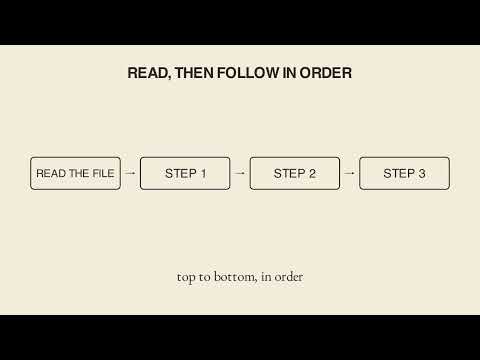
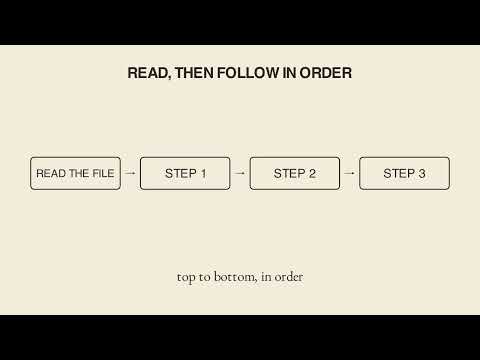
Matter-briefing is a folder holding one file, SKILL.md. That file contains instructions for turning whatever is currently on record into one structured read with five parts: posture, what has changed, the next deadline, open questions, and a risk check. Claude reads the file from top to bottom and works through it step by step, in the order written, with no branching unless the file itself says to branch.
That makes a skill a specification and not an ongoing watch. The payoff is that Claude produces the same five-part read every time. The limit is that anything not already on the record when you asked will not appear.
Neither result is proof
The video draws two conclusions in opposite directions. Watching Claude produce a sharp, complete-looking briefing does not prove it caught every development, because the file only compiles what is already on record, and a gap in the record is a gap in the briefing. In the other direction, a briefing that misses something obvious does not prove the skill is broken, because the record it was given may never have contained that item.
So a skill does not give Claude a memory of the case. It is a file of steps that Claude runs on whatever is on record at that moment. The audience includes legal teams evaluating AI matter-tracking tools, people building or auditing Claude Skills, and anyone who wants to understand the difference between a specification and an ongoing watch before trusting either.
Key takeaways
- Claude does not quietly track a matter between conversations.
- The matter-briefing skill is a folder with a single SKILL.md file.
- The file turns the current record into posture, changes, next deadline, open questions and risk.
- Claude follows the file in order, top to bottom, without branching unless told to.
- Deleting the folder removes the routine, not any stored memory.
- A gap in the record becomes a gap in the briefing.
- Neither a sharp briefing nor a flawed one is proof on its own.
Try it yourself
Pick one thing you brief someone on regularly, such as a project, a matter or a case. Ask Claude to write a SKILL.md for it covering current status, what has changed, next deadline, open questions and risk. Then have Claude read it back and walk you through exactly what it will do before it does it. The video's code reference is the matter-briefing skill in the humanitarians-youtube repository.
Full transcript(auto-generated, with timestamps)
[0:00]You guess Claude has been quietly tracking this legal matter as it develops. It hasn't. It was handed a file on the matter once when you asked. Let's see what's actually inside that file. Here Claude has a matter briefing skill, and it sounds like it's been quietly keeping tabs on this case the whole time, building up a memory of it as things happen. But there's no ongoing memory to lose. Delete the skills folder and Claude doesn't forget one update on this matter because it was never storing any. It just stops running that one routine. Here's what a skill actually is, one file. Matter briefing is a folder
[0:33]Holding a single skill. MD instructions for turning whatever's currently on record into one structured read, posture, what's changed, next deadline, open questions, and a risk check. Claude reads that file top to bottom and works through it step by step in the order it's written, no branching unless the file itself says branch. That makes a skill a specification, not an ongoing watch. The payoff, the same five-part read every time, posture, changes, deadline, questions, risk, the limit, anything that wasn't already on the record when you asked. So matter briefing never gave Claude a memory of this case's history. It just guarantees that every time it runs, Claude reads that same file and
[1:12]Produces the same five-part read. That's the whole trick. Watching Claude produce a sharp, complete-looking briefing doesn't prove it caught every development. The file only compiles what's already on record, and a gap in the record is a gap in the briefing. And a briefing that misses something obvious doesn't prove the skill is broken. The record it was given may never have had it. A skill doesn't give Claude a memory of the case. It's a file of steps it runs on whatever's on record right now. So every briefing comes out with the same five parts every time. Your turn. Paste this into Claude. Pick one thing you brief me on regularly, a
[1:46]Project, a matter, a case. Write me a skill MD for it. Current status, what's changed, next deadline, open questions, and risk. Then read it back to me and walk me through exactly what you'll do before you do it. Claude matter briefing Liam in for Bear.
More from Claude
 1:13
Does Closing a Matter in Claude Delete It? Not Quite
 2:06
Did Claude Learn Contract Law From a Skill? No — Here's What Actually Happened
 2:07
Does Claude's matter-intake Skill Decide Which Clients to Take? No.
 2:07
Claude, Marketing Claims Review.
 2:10
Does Claude Remember Your Firm's Habits? No — Here's What Actually Runs
 2:03